Toronto permit data
Do You Need a Plumbing Permit in Ontario?
Published August 29, 2026 · Updated October 15, 2026
The short version
- Under the Ontario Building Code, plumbing is regulated, so a permit from your municipality is required for most plumbing work beyond a like-for-like repair.
- Swapping a fixture in its existing spot usually counts as maintenance. Installing a new fixture, relocating one, or changing the drain and vent setup usually requires a permit.
- Water heaters occupy a boundary zone. Swapping one unit for an identical model usually needs no permit, but shifting the fuel type, venting setup, or layout typically does, and gas work falls under its own TSSA rules.
- Plumbing ranks among the biggest headings in Toronto's permit record and receives almost no coverage anywhere, with no public pages devoted to it.
- Toronto's permit log indicates the duration of plumbing approval waits. The timing table shown on this page is generated in real time from that same log.
Do you need a permit for plumbing work in Ontario?
Short answer: For most work beyond a like-for-like repair, yes. Plumbing is regulated under the Ontario Building Code, and municipalities issue plumbing permits for work that adds, relocates, or alters plumbing. Swapping a tap, a toilet, or a sink in the same spot is generally maintenance and needs no permit. Adding a fixture, moving one, running new supply or drain lines, or altering the drain, waste, and vent system generally does. Gas appliances are separately regulated by the TSSA. Confirm your project with Toronto Building.
Plumbing sits as the least discussed major category in Ontario permits. It accounts for one of the largest parts of Toronto's permit records yet gets almost no coverage, so homeowners regularly complete work that needed a permit without ever finding out. The difference becomes simple once explained clearly, and you want to understand it before a wall gets sealed.
What plumbing work needs a permit?
The practical dividing line is between swapping something out and altering the system. Swapping out usually requires no permit. Altering the system usually does.
Generally maintenance, no permit:
- Swapping out a faucet, toilet, basin, or shower control in the same spot.
- Fixing a leak in current piping.
- Removing or replacing a length of drain with a like item because the old one broke down.
Generally permit work:
- Putting in a fixture, such as an extra bathroom, a rough-in for a basement bathroom, a wet bar, or a laundry sink.
- Relocating a fixture, since the drain and vent layout shifts as well.
- Installing new supply, drain, or vent lines, which covers re-piping an entire house.
- Changing the building drain, a job that takes in adding a backwater valve or a sump.
- Replacing the water service from the property line to the house.
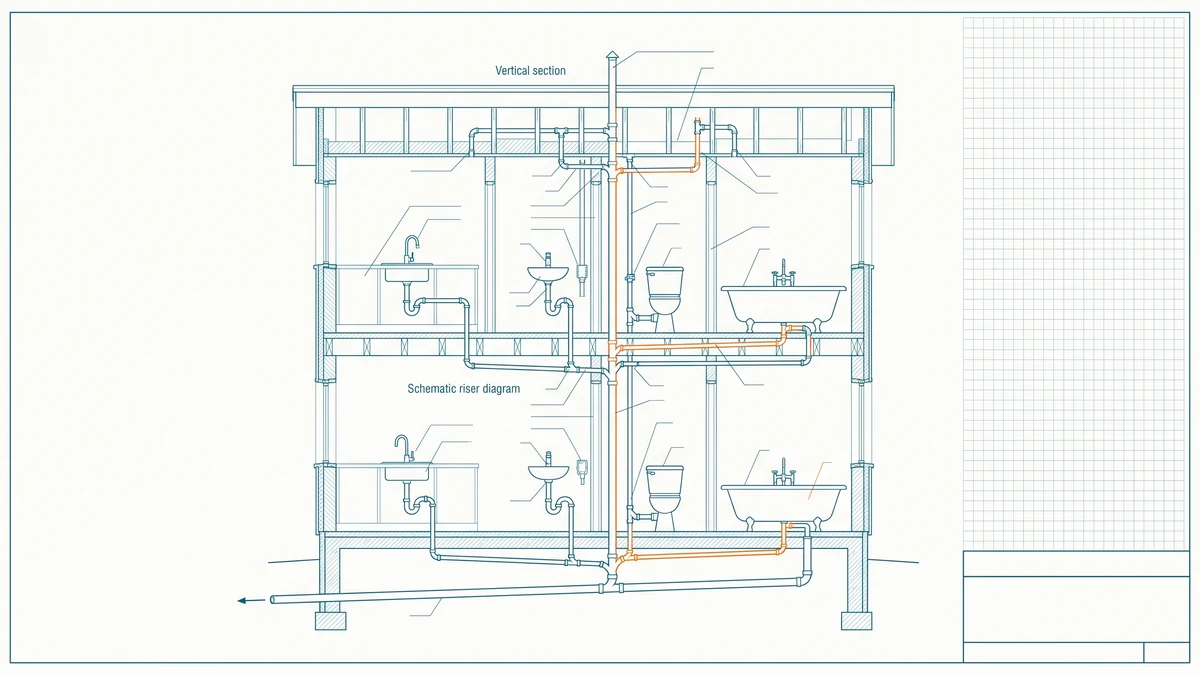
The main technical cause behind most of this is venting, and it makes more sense to understand it than to memorise it. Every fixture has a trap that holds a plug of water to stop sewer gas from entering the building, and each trap requires a vent so draining water does not pull it dry. A fixture moved without proper venting looks and works correctly for a while, then no longer protects the building. That failure cannot be seen once the wall is closed, and that is exactly why the work is permitted and inspected rather than taken on trust.
Quotable: Inspectors check plumbing because its most serious problems stay hidden. A poorly vented drain runs fine right up until the trap loses its water, and at that point the wall is already sealed.
Do you need a permit to replace a water heater?
This is the most common plumbing permit question in Ontario, and the answer is genuinely divided.
A direct swap, identical fuel and same spot, is usually classed as upkeep and frequently requires no plumbing permit. The answer shifts once the layout changes. Moving from a tank to a tankless model changes the water and venting setup. Switching fuel changes the appliance type. Moving the unit changes the piping. Any of these tends to push the job from replacement into alteration.
There is a second regulator to think about as well, and it trips people up. Gas-burning appliances in Ontario are governed by the Technical Standards and Safety Authority, not the local building department, and gas work must be handled by a licensed gas technician no matter what the plumbing permit answer ends up being. Electric water heaters make the matching point on the electrical side, where the Electrical Safety Authority, not the municipality, holds authority. So "no permit needed" from a plumbing view does not mean the work is unregulated. Check with your municipality and with the proper regulator before accepting a same-day swap that alters the configuration.
How does plumbing fit into a renovation permit?
In the majority of renovation projects, plumbing work does not call for a permit of its own. When the renovation already has a building permit, the plumbing portion is normally checked and inspected under that permit, and those inspections just become one step in the process. A separate plumbing permit applies when plumbing is the entire project: a re-pipe, a backwater valve, a water service replacement, or a bathroom addition with no other work under permit.
Either way, the rough-in inspection is the one that counts, because it takes place while the piping is still visible and it cannot occur later without cutting into the wall again. Skipping it is the costliest common error in residential plumbing work. For renovations where plumbing forms part of a larger job, bathroom and kitchen renovation permits and basement renovation permits address the broader application, and Toronto building permit inspections explains how the inspection sequence gets scheduled.
How long do plumbing permits take in Toronto?
The permit record shows the result. Every Toronto permit has an application date and an issue date, and PermitIndex calculates the actual gap between them across all trades, among permits now on file. The table below displays live from that record, covering the last twelve months, Toronto only as of Oct 9, 2026. Locate the plumbing row and check the median next to the 90th percentile.
| Trade | Permits (12mo) | Median wait | 90th percentile |
|---|---|---|---|
| Plumbing | 6,685 | 27 days | 232 days |
| Addition | 5,021 | 32 days | 166 days |
| HVAC | 4,654 | 34 days | 192 days |
| Interior alteration | 4,540 | 24 days | 91 days |
| New build | 2,945 | 58 days | 520 days |
| Demolition | 1,640 | 43 days | 229 days |
| Deck | 1,533 | 21 days | 119 days |
| Window / Door | 905 | 11 days | 61 days |
| Roofing | 540 | 25 days | 123 days |
| Pool | 173 | 31 days | 141 days |
| Electrical | 95 | 32 days | 92 days |
Groups with fewer than 30 permits are omitted; a median over a smaller sample is noise.
This table orders by permit count instead of speed, because the count is the more unexpected column. Plumbing appears among the biggest trades in the entire Toronto record, next to interior alterations, and neither gets a dedicated public page anywhere we can locate: not on contractor sites, not in city guides, not in the trade press. The renovation work that really fills the register stays nearly invisible in writing about Toronto construction. These are issuance lags seen in permits now on record, not a City service standard. You can read the permits behind any address through permit search, or compare every trade on the Toronto permit wait times page.
What happens if plumbing work was never permitted?
The immediate risk is not enforcement, it is the work itself. Unpermitted plumbing skips the rough-in inspection, the single practical chance to verify venting and drainage before they get covered, so the faults it conceals are the very ones that show up later as sewer gas, slow drains, or water damage.
The risk from missing paperwork shows up when you sell or make a claim. An inspector working for a buyer will commonly flag a finished basement bathroom that has no permit record, and insurers can raise questions about unpermitted work after a water loss. You can get a permit after the fact, and that usually means taking parts of the work apart so an inspector can view what sits behind the finishes. What happens if you build without a permit in Ontario covers orders and legalization, and buying a house with unpermitted work covers it from the purchaser's side.
How these numbers are calculated
The wait-time table on this page is produced by the seo_wait_by_trade aggregate, which applies a SQL median (percentile_cont(0.5)) and 90th percentile to the days between application and issuance for City of Toronto permits issued over the trailing twelve months. Records with an issue date earlier than the application date are removed, groups with under 30 permits get no row instead of an unreliable figure, and the classifier's catch-all bucket is left out because it covers unknown work, not a trade. PermitIndex derives trade categories from the City's permit descriptions rather than reading them from a field in the source data, so the plumbing row shows our classification of what each permit describes. The freshness stamp comes from seo_citywide_12mo, the most recent issue date in the data, never the date you opened the page.
Two constraints are in place. The City only publishes permits that are active right now, so each number reflects permits currently on file, not a full record of past permits, which is why the period is twelve months, and why this page never compares one calendar year with another. And the data covers Toronto only: the plumbing rules in this guide come from the Ontario Building Code and apply across the province, but the numbers describe Toronto alone. For the underlying dataset and its licence, see the data sources page.
Frequently asked questions
- Do I need a permit for plumbing work in Ontario?
- For most jobs larger than a basic fix, yes. The Ontario Building Code governs plumbing, and municipalities grant plumbing permits for work that adds, moves, or changes plumbing. Swapping a tap, a toilet, or a sink in the same spot is normally seen as maintenance and needs no permit. Installing new supply or drain lines, adding fixtures, or changing the drain, waste, and vent system usually does.
- Do I need a permit to replace a hot water tank in Ontario?
- A direct like-for-like swap, identical fuel and identical site, usually counts as maintenance and generally needs no plumbing permit. The answer shifts when the setup shifts: moving from a tank to a tankless model, changing the fuel source, or modifying the venting typically pushes the job into permit territory. Gas appliances fall under separate Ontario rules from the Technical Standards and Safety Authority and must be handled by a licensed gas technician no matter what the plumbing permit answer is.
- Do I need a permit to move a toilet or add a bathroom?
- Yes in effectively every case. Adding a bathroom or moving a fixture calls for new or changed drain, waste, and vent piping, which is precisely what a plumbing permit covers. Venting is the technical cause: a fixture relocated without proper venting can pull water out of its trap and admit sewer gas into the building, and that cannot be seen after the walls are closed, which is why the work gets inspected.
- Do I need a permit for a backwater valve in Toronto?
- Generally yes. A backwater valve installation requires cutting into the building drain, and that work needs a permit under the Building Code. Toronto has also operated a subsidy program for backwater valves and other basement flooding protection measures, and those programs usually require the work to be permitted and inspected before you can qualify, so the permit does two jobs at once. Check the current program terms with the City.
- Who can pull a plumbing permit in Ontario?
- Either the owner of the property or the contractor performing the job can normally submit the application, and municipalities take homeowner applications for work on a house you own and live in. The person who applies is responsible for the work complying with the Code and for scheduling the inspections. In practice, a licensed plumber applying for their own work is the safer path, since the inspection process is the step homeowners miss most often.