Toronto permit data
Who Pulls the Permit: You or Your Contractor?
Published July 24, 2026
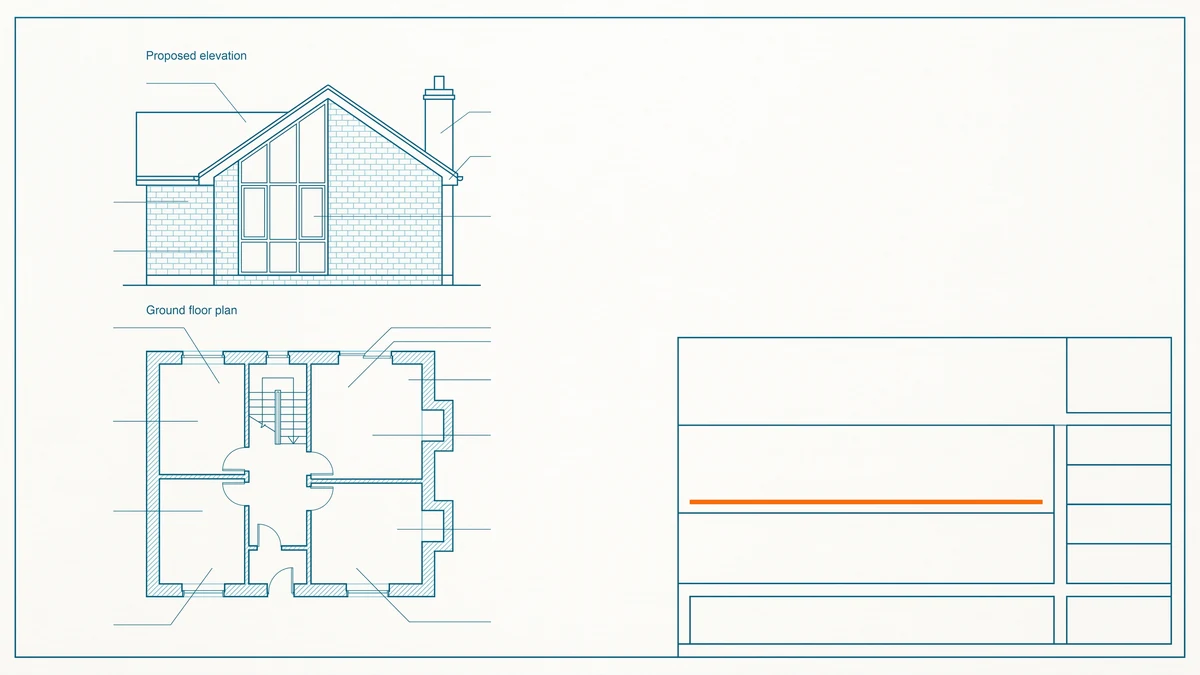
The short version
- Either of you can file it. Ontario's Building Code allows a permit application from the property owner or a person the owner authorizes, which is how contractors and designers apply.
- Responsibility does not transfer with the paperwork. Whoever files, compliance orders and enforcement follow the property, which means the owner.
- A contractor who insists that you pull the permit for work they will perform is a caution flag worth probing before you sign anything.
- Whoever pulls it, verify it yourself. Toronto permits are public record and checking takes a minute.
Who pulls the building permit: you or your contractor?
Short answer: Either. Ontario's Building Code allows a permit application to be made by the property owner or by someone the owner authorizes, so a contractor or designer can pull the permit on your behalf. What never moves is the responsibility: the permit covers work at your property, and compliance ultimately lands on you, whoever filed the forms.
That split, flexible paperwork but fixed responsibility, is the whole subject. Most disputes about "whose permit is it" come from mixing the two up. The person who files is a logistics decision you can delegate. The person who answers for the work is not.
The rest of this guide covers what the rules actually say, when it makes sense to let the contractor handle it, the one situation that should make you pause, and how to confirm the permit really exists once someone says it has been pulled.
What Ontario's Building Code says about who can apply
The application rules are less mysterious than they sound. Under Ontario's Building Code, a permit application is made by the owner of the property or by an authorized agent of the owner. An agent can be your contractor, your architect, your designer, or anyone else you authorize in writing. When someone other than the owner applies, municipalities generally require proof of that authorization as part of the application package.
Two practical details follow from this. First, the applicant becomes the building department's main contact for the file, so whoever applies is the one fielding the plan examiner's questions and resubmitting revised drawings. Second, the permit is issued for work at your property, not as the personal asset of whoever filed it. In Toronto, applications go through Toronto Building, and the City's guides describe the forms and documents required for each project type. Requirements vary by municipality and by project, so treat the City's current instructions as the authority on what your specific application needs.
Why the permit stays your responsibility either way
Delegating the application does not delegate the accountability. Ontario's Building Code Act prohibits construction without a permit where one is required, and enforcement is built around the property: if an inspector finds a problem, the order to comply attaches to the site, and the owner is the one who must see it resolved. A contractor who filed the application as your agent can walk away from a job. You cannot walk away from your house.
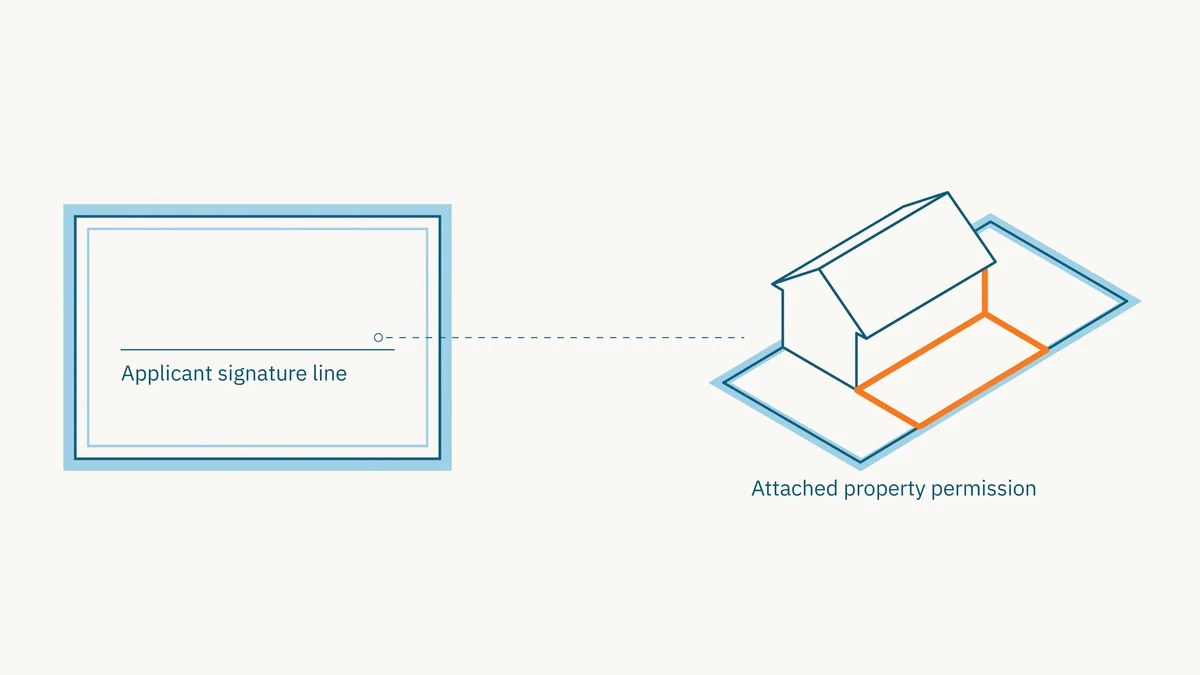
This is why "the contractor was handling the permits" is a weak defence in practice. It may be a fair description of who was supposed to do the paperwork, but it does not move the legal obligation. If the permit was never pulled, or inspections were never called, the unresolved file follows the property and can surface years later, typically during a sale, a refinancing, or an insurance claim.
Quotable: In Ontario, who files the permit application is a logistics choice. Who answers for the work is not: enforcement follows the property owner, whoever pulled the permit.
The practical takeaway is not to avoid delegating. It is to delegate with your eyes open, and to verify rather than assume.
When does it make sense to let your contractor pull the permit?
For most renovation projects with a professional involved, letting the contractor or designer pull the permit is the sensible default. They have done it before, they know what the plan examiner will ask, and as the applicant they absorb the back-and-forth of review comments and resubmissions. On larger jobs the application already depends on documents they control, such as drawings and the designer information Ontario requires with an application, so routing the whole package through them is cleaner.
Pulling it yourself makes sense in a narrower set of cases. If you are doing the work yourself, you are the natural applicant. If you are hiring trades piecemeal and acting as your own general contractor, holding the applicant role keeps you in the loop instead of at the end of it. Some owners also prefer to be the applicant simply to see every communication from the building department first-hand.
Whichever way you go, put it in the contract. Name who applies, who pays the fee, and who books each inspection. The point of writing it down is not distrust, it is that the permit file is the one part of a renovation that outlives the renovation, and ambiguity about who owned it is how gaps happen.
Is it a red flag if your contractor asks you to pull the permit?
It can be, and the pattern is common enough to deserve its own section. A contractor who plans to do the work but wants the permit filed under your name, as owner-applied, may have a mundane reason: some small operators simply avoid paperwork. But the same request is also the classic move of a contractor who cannot or will not stand behind the job, because it keeps their name off the file while you absorb the exposure.
Before agreeing, ask why. In Toronto specifically, many renovation contractors are required to hold a City licence for the category of work they do, and a refusal to be associated with the permit file is worth reading alongside that requirement. Our guide to the Toronto building renovator licence covers what that licence is, and the equivalent questions for mechanical and roofing trades are in our HVAC licence and roofing licence guides. Licensing rules differ by municipality and trade, so confirm the specifics with the City rather than taking either our summary or the contractor's word as final.
A fair test: a contractor confident in their work has little reason to mind appearing on the permit file. Hesitation there tells you something the sales pitch did not. And if they claim the job needs no permit at all, check that claim yourself against what requires a building permit in Ontario before work starts.
Does who applies change how long approval takes?
Not in any way we can measure, and honesty requires saying why: the City's open permit data does not record whether the applicant was the owner or an agent, so wait times cannot be split by applicant type. Anyone claiming contractors get faster approvals is speculating past what the public record shows.
What the record does show is the overall shape of the wait. Across the 30,995 Toronto permits issued in the trailing twelve months and still on record, the median lag from application to issuance was 29 days, while one application in ten waited longer than 177 days as of Oct 9, 2026. Those are observed issuance lags among permits currently on record, not a City service standard, and they are Toronto figures only.
Where an experienced applicant plausibly helps is not queue position but completeness. Applications that arrive with the right drawings and respond quickly to examiner comments avoid the resubmission loop, and the resubmission loop is where long waits live. The full breakdown by project type is on our Toronto permit wait times page.
How to confirm the permit was actually pulled
Never settle for "it's handled." A Toronto building permit is public record, so checking is fast and does not require the contractor's cooperation. Search your address on PermitIndex and you will see the permits the City currently has on record for your property, including status and dates, or go directly to the City's own records. Our guide to looking up a Toronto building permit walks through both routes.
Check three things: that a permit exists for your project, that its description matches the work being done, and that its status shows it was actually issued rather than merely applied for. An application under review does not authorize construction. If work is underway and no permit appears, raise it with the contractor immediately, and with Toronto Building if the answer is unsatisfying. The conversation is far cheaper before the drywall goes up than after.
How these numbers are calculated
The wait figures on this page come from seo_wait_citywide, which computes the median and ninetieth percentile of the lag between application date and issue date in SQL, over City of Toronto permits issued in the trailing twelve months. Records where the issue date precedes the application date are excluded, and we only ever report a group holding at least thirty permits. The as-of stamp is the newest issue date in the data, from seo_citywide_12mo, not the page's render date.
One limitation frames everything: the City publishes currently active permits, and records leave the dataset as projects close out. These figures therefore describe permits presently on record in Toronto, not a historical census, and the data cannot identify who filed any application. Sourcing and licence details are on the data sources page.
Frequently asked questions
- Does the permit belong to my contractor if they applied for it?
- No. A permit authorizes construction at your property, and the contractor who filed it was acting as your agent, not the permit's owner. If you part ways with that contractor mid-project, contact Toronto Building about updating the file rather than starting from zero.
- Can I pull a permit for work I plan to do myself?
- Generally yes. Ontario homeowners can apply for permits on their own home and do much of the work themselves, subject to rules that reserve some tasks for licensed trades. You then carry the duties a contractor would normally manage, including building to code and calling in the required inspections.
- Who pays the building permit fee?
- The owner ultimately funds it, but how it flows varies. Some contractors pay the fee and fold it into the contract price, others ask the owner to pay the municipality directly. Neither approach is wrong, so the useful move is to state in the contract who files, who pays, and where the fee appears in the price.
- Who is responsible for booking inspections?
- Inspections are typically arranged by whoever is managing the construction day to day, which is usually the contractor when one is involved. The obligation itself sits with the project, though, and unresolved inspections surface against the property. Ask for the inspection record as the job progresses rather than assuming each stage was signed off.
- What should I do if my contractor says no permit is needed?
- Verify it independently before work starts. Some jobs genuinely need no permit, but the claim is easy to check with Toronto Building or your local building department, and the consequences of guessing wrong land on you, not the contractor. Get the answer in writing if the project is significant.