Toronto permit data
Do I need a permit for a shed in Ontario? (size limits explained)
Published July 24, 2026
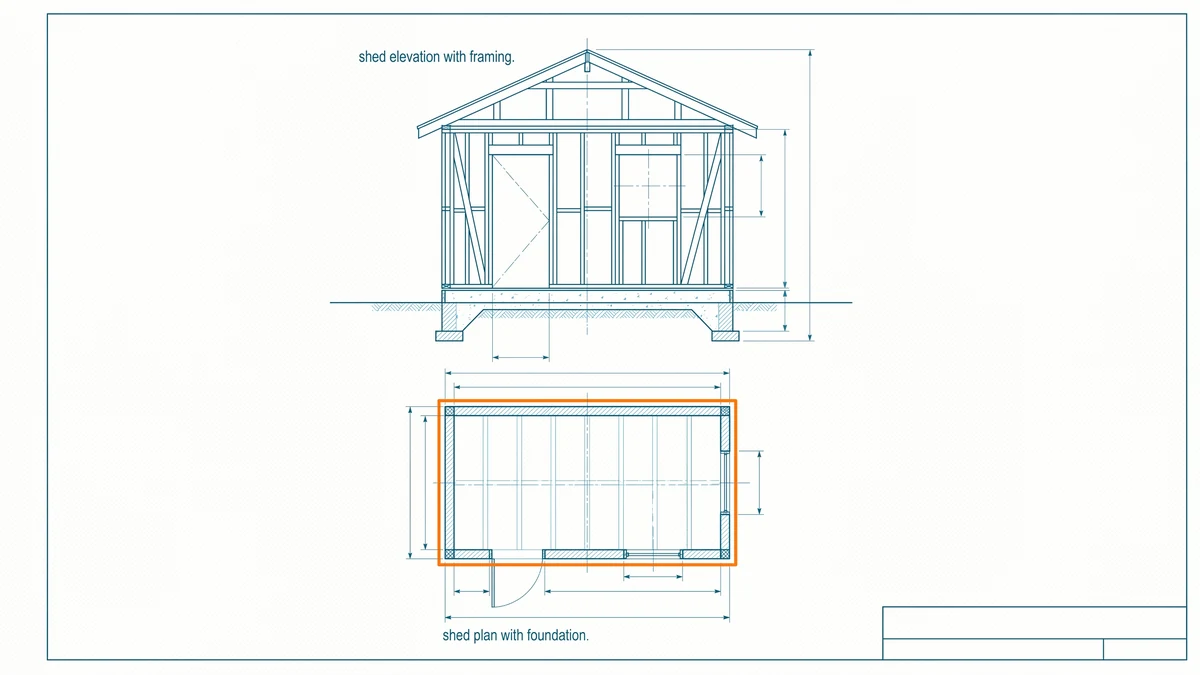
The short version
- A detached, one-storey storage shed of 15 square metres (about 161 square feet) or less generally does not need a building permit in Ontario.
- The exemption has five conditions: size, one storey, not attached to anything, storage-only use, and no plumbing. Miss any one and a permit generally applies.
- No permit does not mean no rules. Zoning setbacks, height limits, and lot coverage still apply, and they vary by municipality.
- A compliant small shed never appears in the permit record, so an address search that shows no shed permit is normal.
Do I need a permit for a shed in Ontario?
Short answer: Generally no, if the shed is small. Ontario's Building Code exempts a detached shed of 15 square metres (about 161 square feet) or less from a building permit, provided it is one storey, not attached to any other structure, used only for storage, and has no plumbing. Anything larger, taller, attached, plumbed, or occupied generally needs a permit. Zoning rules apply either way. Confirm your project with Toronto Building or your local municipality.
The shed question is the most common "do I need a permit" search in Ontario, and the honest answer is shorter than most pages make it: measure the footprint, then walk through five conditions. This guide covers the size limit, the conditions people miss, the zoning rules that survive the exemption, and what any of this looks like in Toronto's actual permit record. PermitIndex indexes 30,910 building permits issued across Toronto in the trailing twelve months as of Oct 9, 2026, and a compliant small shed is one of the few backyard projects that never needs to join them.
What size shed can I build without a permit in Ontario?
The threshold is 15 square metres of gross area, which works out to roughly 161 square feet, or about a 12 by 13 foot footprint. The number comes from the Ontario Building Code, which exempts a shed from the permit requirement provided all of the following hold:
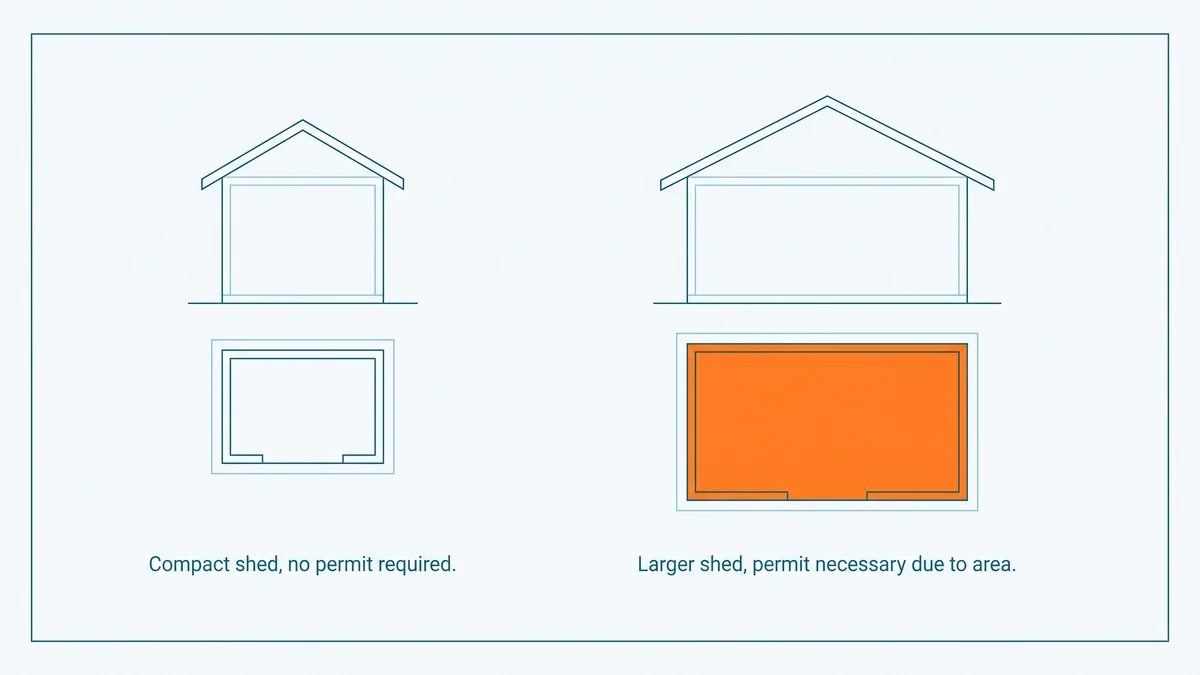
- It is not more than 15 square metres in gross area.
- It is not more than one storey in height.
- It is not attached to a building or any other structure.
- It is used only for storage ancillary to a principal building on the lot.
- It does not have plumbing.
Quotable: All five conditions must hold at once. Size gets the attention, but plumbing or attachment sends even the smallest shed into permit territory.
Note the fourth condition carefully: the exemption assumes there is already a principal building, normally your house, on the lot. A shed on an otherwise vacant lot does not qualify. The exemption is provincial, so the same test applies in every Ontario municipality, but the City of Toronto's permit requirements page is the place to confirm how it applies to your specific project.
When does a shed need a building permit?
A permit generally applies the moment any exemption condition fails. The common triggers, in rough order of how often they catch people:
- Bigger than 15 square metres. The footprint test uses gross area, so a generous roof overhang or an attached lean-to can push a "small" shed over.
- Plumbing. A sink, toilet, or floor drain generally requires a permit regardless of size.
- Attached to something. Bolting the shed to the house, the garage, or a deck makes it an addition to that structure, not a freestanding shed.
- More than one storey. A loft-style storage mezzanine can cross this line.
- Used for more than storage. A structure people occupy, sleep in, or work in is not a storage shed in the Code's eyes, whatever the label on the kit says.
For anything past the exemption, the application route is the same as for other small residential projects: drawings, a site plan, and a review by your municipal building department. The City of Toronto publishes an application guide for sheds, cabanas, and other accessory structures that lists exactly what the drawings must show. Fees change over time, so take the current amount from the City's fee schedule rather than from any blog post, this one included.
Do I still have to follow zoning rules for a shed?
Yes, and this is the part that catches people who read only the size limit. The permit exemption is a Building Code exemption, not a zoning exemption. Toronto's own guidance says it plainly: even if a building permit is not required, compliance with the zoning bylaw is.
Quotable: A shed can be perfectly legal to build without a permit and still be illegal where you put it. The Building Code decides whether you need a permit; the zoning bylaw decides where the shed can sit and how tall it can be.
Zoning bylaws set setbacks from property lines, height caps for accessory buildings, and limits on how much of the lot your structures can cover. These rules vary by municipality and by zone, which is why no province-wide answer to "how close to the fence can it go" exists. If a shed violates zoning, the municipality can require you to move or alter it even though no permit was ever needed. Before placing a shed, check your zone's rules, and remember that easements, trees, and conservation-regulated areas can add constraints of their own. Ten minutes with the zoning map beats jacking up a loaded shed later.
Did Ontario change the shed size limit?
Yes. In 2022, Ontario amended the Building Code to raise the shed exemption from 10 square metres (about 108 square feet) to the current 15 square metres. The older 10 square metre figure still circulates widely on municipal pages, shed retailer sites, and forum threads, so if a source quotes it, that source predates the change.
The practical effect was real: 15 square metres covers most standard garden and storage sheds sold in Ontario, including common 10 by 14 foot models that previously sat just over the line. The condition list travelled with the change, though. The amendment did not loosen the plumbing, attachment, height, or storage-only requirements, and it did not touch zoning at all. Treat the 15 square metre figure as the current provincial rule, and confirm against the Building Code or your municipality if your project sits near the boundary, because regulations get amended and this guide will not update itself the moment one does.
Will my shed show up in Toronto's permit record?
If the shed qualified for the exemption, no. No permit is filed, so nothing enters the City's record, and a permit search on the address will not show the shed. That is worth knowing when you are buying a house: a backyard full of small structures with no matching permits is normal, not a red flag, as long as each structure would pass the exemption test. Larger accessory structures, garages, and additions are a different matter, and their permits do appear in the record.
The contrast with other backyard projects is sharp. Most decks attached to a house need a permit, which is why deck permits are their own question, and fences, carports, and gazebos each follow different rules. If you are weighing a structure people will live in, a garden suite is an entirely different process with real permits and real timelines. For the full picture of which projects need permits and which do not, start with what requires a building permit in Ontario.
How these numbers are calculated
The one live figure on this page, the count of building permits issued in Toronto in the trailing twelve months, is computed by the seo_citywide_12mo aggregate over the City of Toronto's open dataset of active building permits, and it is stamped with the newest issue date in that data rather than the date you loaded the page. No number on this page is hand-typed.
Two limits apply. The City publishes permits that are currently active, so the count describes permits presently on record, not a complete historical census. And the figure covers Toronto only: the shed rules in this guide are provincial, but the data is not. For the underlying dataset and its licence, see the data sources page.
Frequently asked questions
- Can I put plumbing or a bathroom in my shed without a permit?
- Generally no. The Ontario Building Code's shed exemption applies only to sheds without plumbing, so adding a sink, toilet, or drain generally puts the project into permit territory regardless of how small the shed is. Confirm the requirements for your specific project with your municipal building department.
- Do prefab or plastic sheds from a hardware store need a permit?
- The material and the fact that it arrives as a kit make no difference. The exemption turns on size, height, attachment, use, and plumbing, not on what the shed is made of or who assembled it. A prefab shed over the size threshold needs a permit just like a custom-built one.
- How close to the property line can I build a shed?
- That is a zoning question, not a building permit question, and the answer varies by municipality and by zone. Municipal zoning bylaws set setbacks, height limits, and lot coverage rules for accessory buildings, and they apply even when no building permit is required. Check your municipality's zoning rules before you pour a pad or place a shed.
- Can I use a shed as an office, gym, or bunkie without a permit?
- The exemption in the Building Code covers sheds used only for storage that is ancillary to the main building on the lot. Once a structure is built or converted for people to occupy, sleep in, or work in, the storage-only condition no longer describes it, and a permit generally applies. Ask your municipal building department before converting one.
- What happens if I build a shed that needed a permit without one?
- The municipality can issue an order to comply, which typically means applying for a permit after the fact, altering the structure, or removing it. Building officials usually find out through complaints or during other inspections. If you are unsure whether your shed qualifies for the exemption, asking the building department first is far cheaper than an order later.