Toronto permit data
Do You Need a Permit for an Egress Window?
Published October 14, 2026
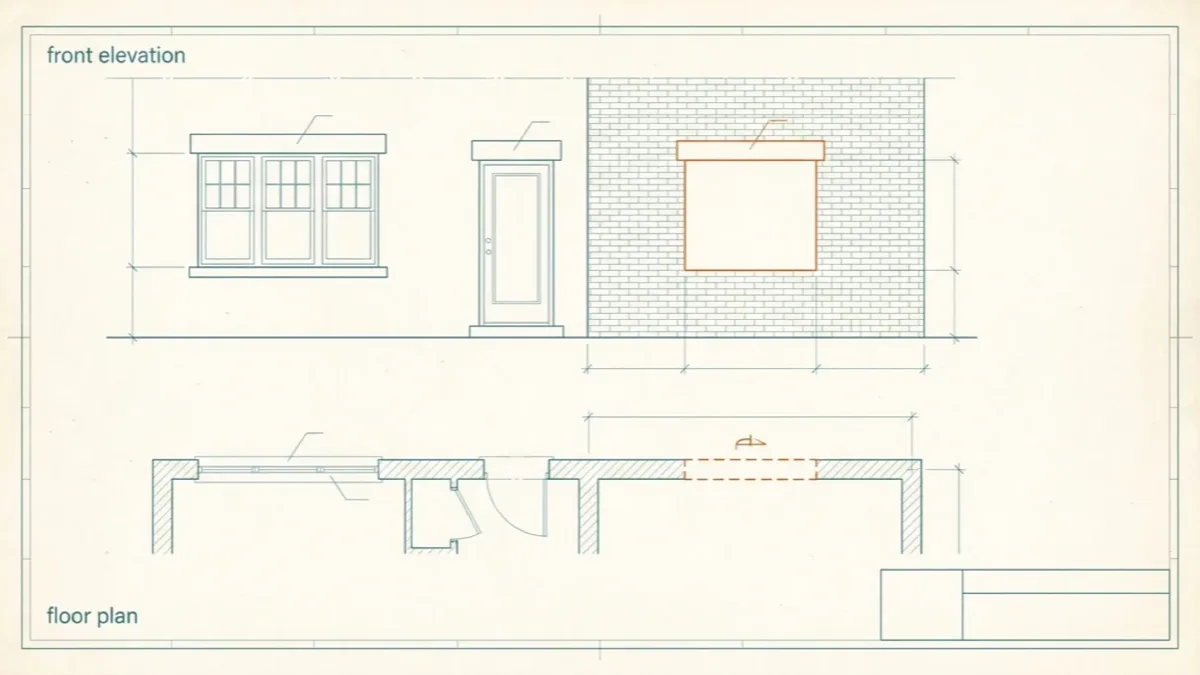
The short version
- Toronto's test is the opening, not the window. Replacing a window in an existing opening in a house with one home in it needs no permit, but only if three conditions all hold.
- The City's three conditions: no change to the location or size of the opening, no change to the structural support for the opening, and no new exit created.
- Cutting a new opening, or enlarging or moving an existing one, is on the City's permit-required list.
- The exemption is written for houses. Toronto says replacing windows in other kinds of buildings requires a permit.
- An egress window, one big enough to climb out of, often needs a new or bigger opening in a basement wall. If it does, that puts it on the permit-required list.
Do you need a permit for a window in Ontario?
Short answer: It depends on the opening, not the window. Toronto says replacing a window in an existing opening in a house with one dwelling unit needs no permit, on three conditions. The opening's location and size do not change, its structural support is not altered, and no new exit is created. Cutting a new opening, or enlarging or moving one, needs a permit. Both rules are on the City's when do I need a building permit page.
Most homeowners ask about the window. The City answers about the hole in the wall.
Two terms recur below. A "single dwelling unit" means a house with one home in it. An "accessory building" is a smaller building serving the house, such as a detached garage.
What exactly is exempt, and what is not?
The exemption is narrow. The City's permit page lists this as work that needs no permit: "Replacing a window or door in an existing opening in a detached house, semi-detached house, or row house containing a single dwelling unit, or in an accessory building serving that house, provided that: there is no change to the location or size of the window or door opening; the structural support for the opening is not altered or affected; and no new exit is created."
All three conditions have to hold. If any one fails, the exemption is gone.
The same City page puts the opposite case on its permit-required list. Under "structural or material alterations", meaning changes to structure or materials, it names "new windows or doors where there were none before" and "enlarging or relocating existing windows or doors."
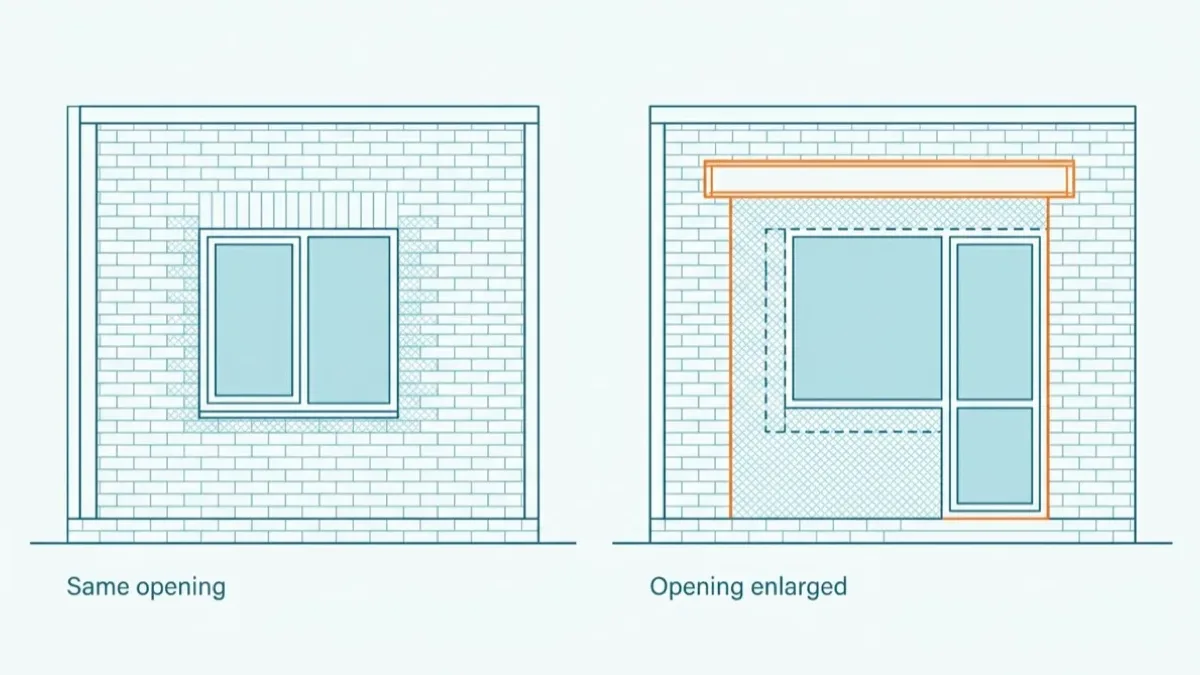
Four practical points follow from that wording.
- A new window in the same opening is fine. Changing the glass, the frame or the way it opens does not cross the line, as long as the opening is untouched.
- Slightly bigger is still bigger. The condition is "no change to the location or size." It does not say "no significant change."
- The other two conditions matter too. Altering the structural support over an opening, or creating a new exit, each ends the exemption even if the opening stays the same size.
- The type of building matters. The City's list says replacing windows or doors "in buildings other than a detached house, semi-detached house, or row house containing a single dwelling unit" requires a permit.
Why does an egress window almost always need a permit?
Because of how it is installed. An egress window is a window big enough to climb out of in an emergency. People usually add one to make a basement room usable as a bedroom.
If the job cuts a new opening in a foundation wall or makes an existing one bigger, both are on the City's permit-required list.
The room behind the window has rules too. Toronto's property standards by-law is Chapter 629 of the Municipal Code. It says no basement may be used as a habitable room unless "each habitable room complies with all requirements for egress" and the chapter's other room standards. A habitable room is one people live in, such as a bedroom. So a basement bedroom without a proper way out breaks the by-law, permit or not.
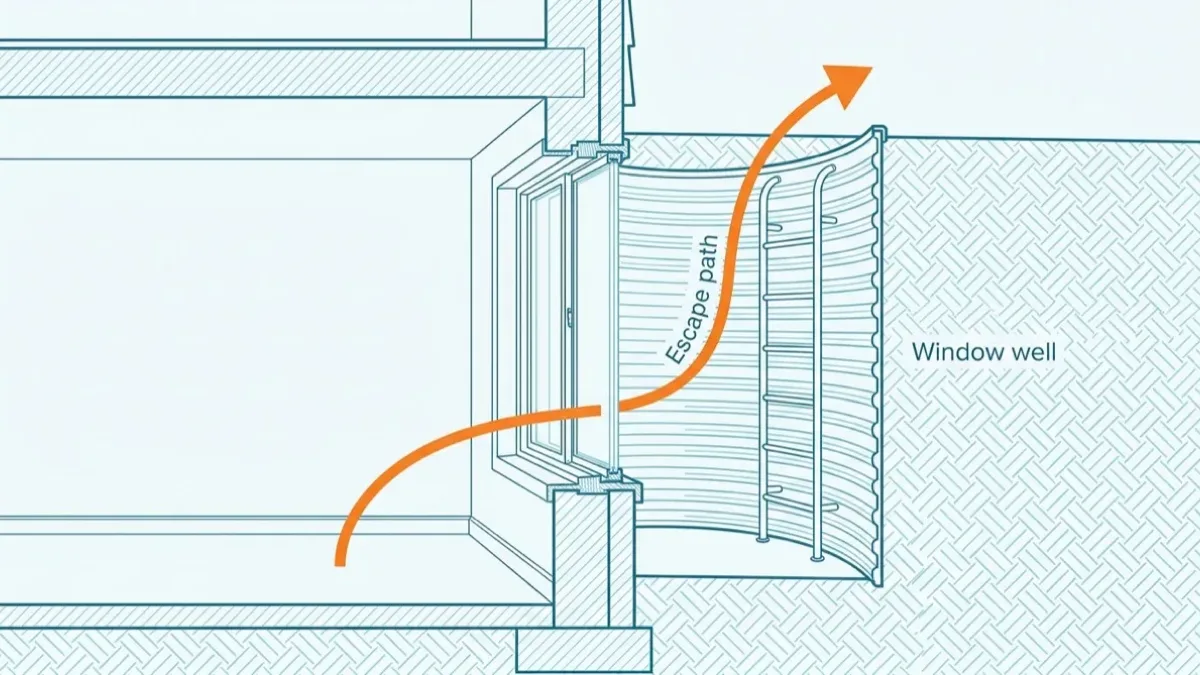
The window also has to meet the Ontario Building Code, the province's construction rules. This guide quotes no sizes from it, because the Code is amended over time. The Province says enforcement of the Building Code "is the responsibility of municipal building officials." So your building department is the place to confirm what applies to your window.
What about a basement apartment?
A window is one piece of a basement unit. A basement apartment has to meet a full set of rules at once. The City has a fire-safety page on two-unit houses. Among the factors that raise fire risk, it lists a renovation to add a suite "typically done without required City review and approval (no building or zoning permits)." Our guide to legal basement requirements in Ontario lists them. The permit for a second suite in Toronto is the application that makes the unit legal.
If the plan also lowers the floor to gain headroom, that foundation work has its own permit question. It is covered in does underpinning need a permit in Toronto.
Does a window permit show up in the public record?
Sometimes, and rarely under the word "window." A new opening is often part of a larger job. So a permit may describe a basement renovation, an addition or an alteration instead.
PermitIndex's permit search, which requires signing in, lets you read the permits on an address. Our guide to looking up a Toronto building permit explains the fields. If you are buying a house with a basement bedroom and no permit history, read buying a house with unpermitted work first.
Methodology and limits
How these numbers are calculated
This guide carries no permit statistics. The permit rules come from the City of Toronto's page on when you need a building permit (date modified July 21, 2026), read on September 17, 2026 and again on October 14, 2026. The exemption is quoted in full rather than summarized. On October 14, 2026 we also read Ontario's Building Code page, Chapter 629 of the Toronto Municipal Code, and the City's fire-safety page on two-unit houses (date modified November 13, 2019). No Code dimension is quoted; ask your building department for the numbers that apply.
Three limits apply. These are Toronto's lists; other Ontario municipalities enforce the Code through their own building departments, so check with yours outside the city. The City can change its page without notice, so treat it as authoritative where it differs from this one. And the permit search linked above is PermitIndex's own product, built from the City's open permit data. What that data covers, and the site's contact email, are on the data sources page.
Frequently asked questions
- Do I need a permit to replace a window in Ontario?
- In a Toronto house, usually not. The City says no permit is needed to replace a window or door in an existing opening in a detached, semi-detached or row house with a single dwelling unit, provided the opening's location and size do not change, its structural support is not altered or affected, and no new exit is created. Outside Toronto, check with your own municipality.
- Do I need a permit for an egress window?
- Yes, if the job cuts a new opening or enlarges an existing one, which is common for a basement egress window, one big enough to climb out of. Toronto lists new windows where there were none before, and enlarging or relocating existing windows, as work that requires a building permit. If the room will be lived in, Toronto's property standards also require it to meet egress rules.
- Does enlarging a window need a permit if the wall is not load bearing?
- In Toronto, yes. The City lists enlarging or relocating an existing window or door as a material alteration that requires a permit. The list does not make an exception for walls that carry no load. Deciding what a wall carries is part of what the permit review checks.
- Do condo and apartment windows follow the same rule?
- No. Toronto's exemption covers a detached house, a semi-detached house or a row house with a single dwelling unit, or an accessory building serving that house. The City separately lists replacing windows or doors in other buildings as work that requires a building permit. In a condo, also check with the condominium corporation before any work.
- What happens if a basement window was put in without a permit?
- The City warns that failing to get a building permit can result in costly construction delays, legal action or removal of work already completed. The usual route back is to apply for a permit after the fact. Our guides on building without a permit and on legalizing unpermitted work explain how that process works in Toronto.