Toronto permit data
Toronto Building Permit Number Explained
Published July 23, 2026
The short version
- A Toronto building permit number is a filing identifier the City assigns. It is not a description of the work or the property.
- The number packs a few parts: a year, a file sequence, and a short code for the permit stream, plus a separate revision counter for amendments.
- The number tells you roughly when a file opened and which stream it sits in. It does not tell you the address, the cost, or whether the work passed inspection.
- One project can carry several numbers, because revisions and separate trade streams each get their own.
- You use the number to pull up a permit's status and history, but the status lives in its own field you still have to read.
What is a Toronto building permit number?
Short answer: A Toronto building permit number is the filing code the City stamps on a permit application. It identifies the file. On its own it does not describe the property, the work, or the cost.
Think of the number as a case file label, not a summary. When someone applies to build, renovate, or demolish in Toronto, the City opens a file and assigns it a number. That number then travels with the permit through review, issuance, and inspection. It is the handle everyone uses to point at one specific application.
Because it is only a label, the number cannot answer the questions people usually want answered. It will not tell you the address, the scope of work, the estimated value, or whether the job passed a final inspection. Those live in separate fields on the record. The number's job is narrow: it makes one file findable and citable, so that when you talk about a permit, everyone knows exactly which one you mean.
How do you read the parts of the number?
A Toronto building permit number looks like a short string of digits and letters. It is really a few fields joined together. Read left to right and the pieces come apart cleanly.
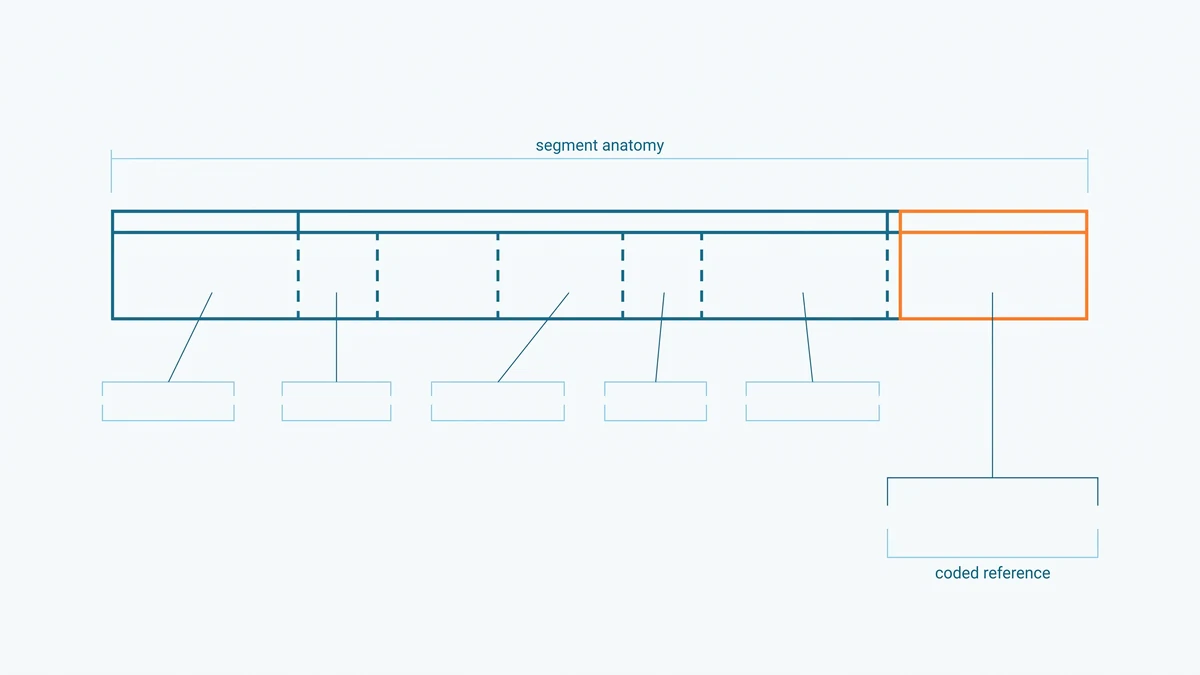
- The first two digits are the year the application was filed. A number that starts with a recent two-digit year was opened recently; an older prefix means an older file.
- The middle block is a six-digit file sequence the City assigns in order. It carries no meaning beyond being unique. It is not a count of anything and not a rank.
- The trailing letters are a short code for the permit stream, marking whether the file sits in a building, plumbing, mechanical, or demolition stream. Different streams cover different kinds of work.
Take an illustrative number such as 24 987654 BLD. The 24 is the filing year, the 987654 is the file sequence, and the BLD marks the building stream. Alongside that string the City tracks a separate two-digit revision counter, usually shown as 00 on an original permit. Toronto's own building and permits pages are the authority on what each stream code covers, and the codes can change over time.
What does the number tell you, and what does it hide?
Read the number and you learn two things reliably: roughly when the file was opened, from the year prefix, and which permit stream it belongs to, from the letter code. That is genuinely useful. It lets you sort old files from new ones and tell a plumbing file from a building file at a glance.
Everything else is hidden. The number does not encode the street address. It does not encode the trade classification you see on this site, which is derived from the work description, not the number. It does not encode the estimated construction value, and it says nothing about status. A file whose number looks tidy can still be under review, issued and stalled, or long closed.
So treat the number as an index key, not a report. It points you at a record; the record is where the facts are. This is the same reason a permit number in a listing or a contractor's quote proves only that a file exists. To learn what that file actually says, you have to open it and read the status, the work, and the dates for yourself.
Why does one project have more than one permit number?
It surprises people that a single renovation can show up under several numbers. There are two ordinary reasons.
The first is revisions. When an approved permit is amended, the City files the change against the same base number and steps the revision counter up. The original and its revisions share a base but read as distinct rows, so a project that changed mid-course leaves a small trail of closely related numbers.
The second is separate streams. A larger job can need a building permit plus its own plumbing and mechanical permits, and each stream gets its own number. They describe one construction project on one property, but the City tracks them as separate files. When you research an address and see a cluster of related numbers, that is usually one project viewed through several permits, not several unrelated jobs.
How do you use the number to check a permit's status?
The practical move is to work from the address, then use the number to confirm you have the right file. You can search any Toronto address and see the permits the City holds for it, each with its number, its stream, its dates, and its current status. The number is how you tell two permits on the same property apart.
That searchable record is large. PermitIndex indexes 30,910 Toronto building permits issued in the trailing twelve months as of Oct 9, 2026, each one findable and each carrying its own number. Once you have the file, read the status field directly, because the number never carries it. If you also want to know how long a fresh application tends to sit before issuance, the Toronto permit wait times page reports the median lag by trade, and the Toronto permit activity view is a wider entry point into the record.
How these numbers are calculated
The permit count on this page renders live from the City of Toronto's open dataset of active building permits and is stamped with the newest issue date in that data, not a hand-entered figure. It is the number of building permits issued in Toronto in the trailing twelve months and still on record, and it refreshes as the City's data does. The anatomy of the permit number described here reflects the format the City publishes; individual stream codes can change, so defer to Toronto Building for the current list.
One limitation applies to every figure here. The City publishes permits that are currently active, and records leave the dataset as projects close out, so this describes permits presently on record rather than a complete historical census, and it is scoped to Toronto only. For the underlying dataset and its licence, see the data sources page.
Frequently asked questions
- Is the permit number the same as the application number in Toronto?
- In practice they are the same string. The City opens a file when an application is received and stamps it with a number, then keeps that number on the record through issuance and inspection. So the identifier you see on an application is the same one that follows the permit.
- Does a Toronto permit number tell you the project's cost?
- No. The number is only an identifier. The estimated construction value, where it was disclosed at all, is a separate field on the record, and many permits do not disclose one. You read the value from the permit itself, never from the number.
- Can I look up a permit if I only have the number and not the address?
- The most reliable path is still the address, because the City's open dataset and the search here are organised around location. If you hold only a number, match it against the permits listed for the property once you find the address. The number confirms you are looking at the right file.
- What does it mean when a permit number carries a revision like 01?
- The revision counter tracks amendments to one file. A base number with revision zero is the original permit, and a higher revision is a change filed against the same project. They describe one job, not separate ones.
- Are Toronto permit numbers reused between properties?
- No. Each file gets its own number, and the year prefix plus the sequence make it unique. A number points at one application on one property, which is why it works as a clean way to cite a specific permit.