Toronto permit data
StatCan Building Permit Data vs Municipal Records
Published July 24, 2026
The short version
- StatCan and municipal permit data answer different questions: the federal survey reports regional construction totals, municipal records name individual permits and addresses.
- StatCan's Toronto is the census metropolitan area, not the City of Toronto, so its figures describe a far larger territory than the City's own records.
- Municipal open data is fresher but shorter-lived: Toronto publishes active permits, and records leave the file as projects close out.
- Neither source captures unpermitted work, names the people involved, or says anything about the quality of the construction it records.
StatCan building permit data vs municipal records: what each misses
Short answer: Statistics Canada's Building Permits Survey publishes monthly aggregate totals by region: the value of construction authorized and the number of dwelling units, for provinces and metropolitan areas. Municipal records are the individual permits themselves, with addresses, statuses, and work descriptions. StatCan misses everything at the address level. Municipal open data misses regional comparability, and Toronto's file sheds records as projects close. They are complements, not substitutes.
Both layers get called "building permit data," which is how people end up with the wrong file. An analyst downloads Toronto's open permit file expecting a clean historical series and finds an active-permit register that sheds its own past. A homeowner searches StatCan for permits on their street and finds monthly dollar totals for a metropolitan region. This guide states what each source contains, what each one structurally cannot contain, and how to pick between them. Where a live number from our own Toronto index helps, we show it, labelled as Toronto-only.
What does the StatCan Building Permits Survey actually measure?
The Building Permits Survey is a monthly, mandatory survey of the Canadian municipalities that issue permits, roughly 2,400 of them, together covering about 95 percent of the Canadian population. Each month, municipalities report the value of the building permits they issued and the number of residential dwelling units those permits authorize. Statistics Canada compiles the reports into aggregate tables, such as building permits by type of structure and type of work, published for Canada, the provinces and territories, and census metropolitan areas, with seasonally adjusted series built for month-to-month comparison.
That design is the survey's strength and its ceiling in the same breath. It is the only instrument that measures permit activity across the whole country on one methodology, which makes it the right source for comparing regions or tracking a market over time. But it is a survey of totals. It publishes no addresses, no work descriptions, no statuses, and no individual permits, at any price. If your question contains a street name, StatCan was never going to answer it.
What do municipal permit records show that StatCan cannot?
The municipality that issues a permit holds the actual record: the property address, the permit type and current status, a short description of the work, the application and issue dates, and an estimated construction value where the applicant disclosed one. Toronto publishes its records through the active building permits dataset on the City's open data portal, under the Open Government Licence.
This is the layer where real questions about real properties get answered. What was permitted at this address. Which neighbourhoods are busiest. How long approvals take by project type, which we compute on the Toronto permit wait times page from those same records. PermitIndex ingests the City's file daily and indexes it, so you can search any Toronto address and read its permits without touching a raw export. The scale of the record-level layer is visible in one number: our index currently holds 30,995 Toronto building permits issued in the trailing twelve months and still on record as of Oct 9, 2026, each one an individual, searchable record. StatCan cannot produce that number for the City proper, because its published Toronto figures describe the wider metropolitan area.
Why do the two sources disagree about the same city?
Put a StatCan table beside a count from Toronto's own records and the numbers will not match. Three structural reasons explain nearly all of the gap.
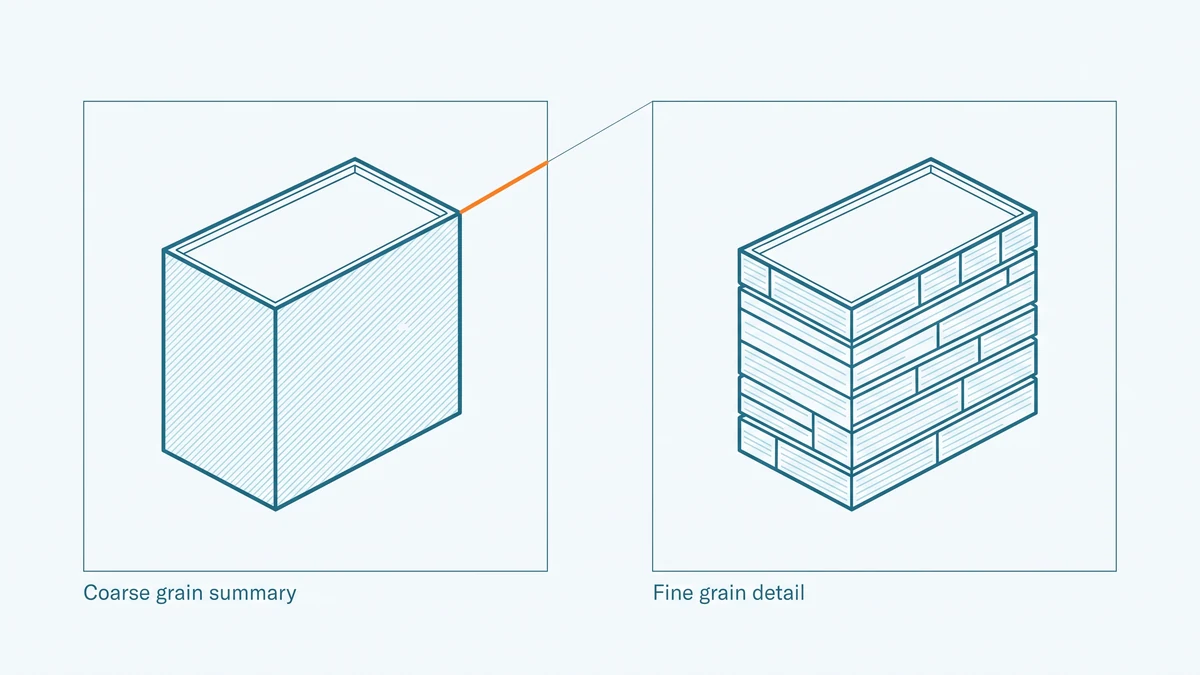
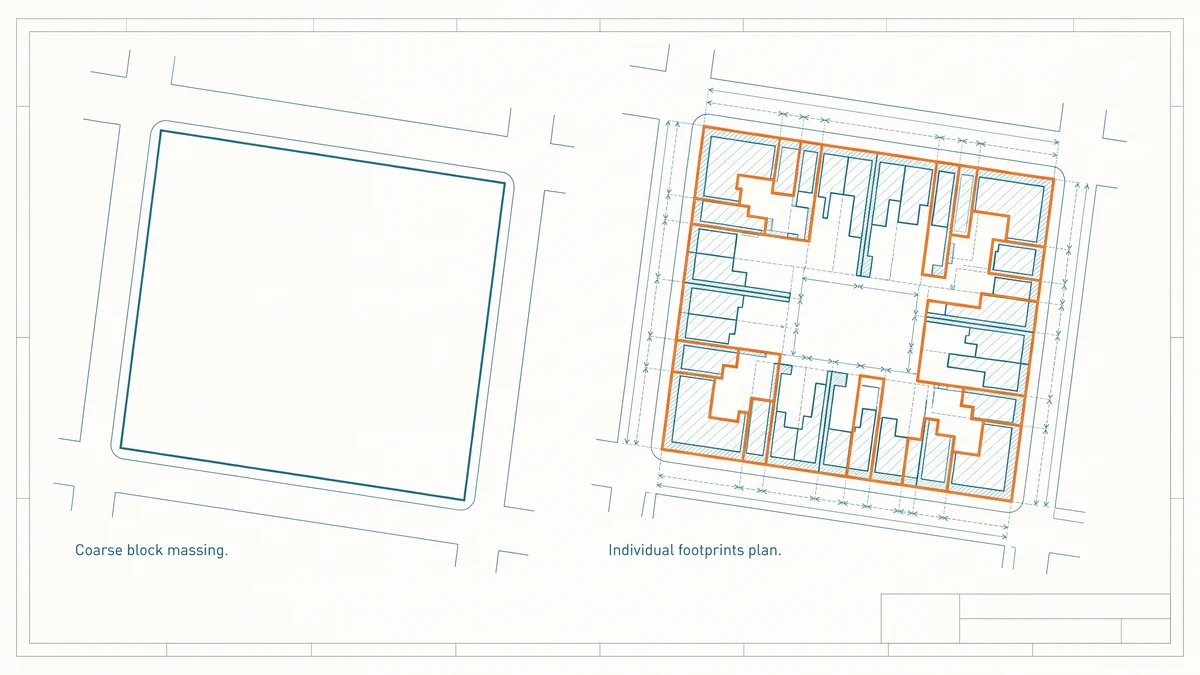
The boundary is different. StatCan's "Toronto" is the census metropolitan area, a region that takes in many surrounding municipalities and far more people than the City proper. The City's open file covers only permits the City of Toronto issued. Neither figure is wrong; they describe different territory under the same name.
The basis is different. StatCan's totals reflect what each municipality reports for a reference month, compiled once and then revised. Toronto's open file is a living register of active permits, so its contents shift daily and shrink as projects close out.
The content is different. StatCan leads with construction value. The open file leads with records, and many of them disclose no value at all. Of the 30,995 Toronto permits issued in the trailing twelve months and still on record, 10,823 disclose an estimated construction value; the rest do not, so any dollar total computed from the open file describes only the disclosing subset.
Quotable: StatCan's Toronto and the City of Toronto's permit records describe different territory under the same name. A comparison that ignores the metropolitan boundary is comparing two different cities and calling the gap an error.
Which source is more current?
Usually the municipal one, and the gap is larger than people expect. The Building Permits Survey collects reports after each reference month closes and publishes on a lag: the release covering February 2026, for example, arrived in mid-April 2026. That cadence is fine for tracking a market and useless for anything happening this week.
Toronto's open file refreshes far more often, and PermitIndex re-ingests it daily, so a newly issued permit surfaces in the record-level layer while the same month is still weeks away from a StatCan release. Freshness cuts both ways, though. StatCan's published months are stable and get formally revised, which makes them safe to cite years later. The municipal file has no such memory: because it holds active permits, a count taken from it today cannot be reproduced next year, since records will have left as projects closed. Current and durable are different virtues, and each layer holds exactly one of them.
What do both sources miss?
Some gaps are shared, and they matter more than the differences. Neither layer sees unpermitted work; both record paperwork, so a renovation done without a permit is invisible to each. Neither captures the minor work that legitimately proceeds without a permit at all. Neither says anything about construction quality: a permit records authorization, not workmanship, and inspection outcomes are not part of either published layer.
Privacy draws the same line in both. StatCan publishes only aggregates, and Toronto's open records do not reliably publish the owner, applicant, or builder behind a permit; PermitIndex strips name fields from its pipeline entirely. Location precision has a shared floor too: Toronto publishes postal geography only to the forward sortation area, the first three characters of a postal code, never a full code. Anyone claiming to sell permit-derived contact lists is not working from these sources as published. Permit data, at every level, is territory intelligence: it tells you where activity is, not who to call.
Which building permit data source fits which job?
Match the source to the question, and use each layer for the job it was built for.
| Your question | Use | |---|---| | How does construction activity compare across provinces or metro areas, month by month? | Statistics Canada, Building Permits Survey | | What is on record at a specific address, street, or neighbourhood? | The issuing municipality's records | | What is permitted anywhere in Toronto, searchable without raw files? | PermitIndex search |
For a national overview of every layer and where to download each one, see our guide to building permit data in Canada. For what the record-level layer looks like when it is put to work, the June 2026 Toronto permit trends report reads one complete month of the City's records, and the construction hot zones report maps where Toronto's activity concentrates by neighbourhood.
How these numbers are calculated
The live figures on this page come from one SQL aggregate, seo_citywide_12mo, computed over PermitIndex's copy of the City of Toronto's open dataset of active building permits. It counts permits issued in the trailing twelve months that remain on record, counts how many of those disclose an estimated construction value, and stamps the result with the newest issue date in the data. No figure on this page is hand-entered, and all of them are Toronto-only.
The main bias to keep in mind: the City publishes active permits, and records leave the dataset as projects close out. Every count here describes permits currently on record, not a historical census, which is why we report a trailing twelve-month window and never compare one year to another. Facts about the Statistics Canada survey come from the agency's published survey documentation, linked where cited. For our underlying dataset and its licence, see the data sources page.
Frequently asked questions
- Is Statistics Canada building permit data free to use?
- Yes. The monthly Building Permits Survey tables are published on the Statistics Canada website and can be downloaded under the agency's open licence, which permits reuse with attribution. Read the licence terms on the page you download from, since attribution wording is specific to the publisher.
- Does StatCan publish the address of each building permit?
- No. The Building Permits Survey publishes aggregates by region: totals for provinces, territories, and census metropolitan areas. Individual permits with street addresses exist only in the records of the municipality that issued them, which is why address-level questions always lead back to a city portal or an index built on one.
- Can I get long-run construction trends from Toronto's open permit data?
- Not reliably. Toronto publishes its active permits, and records leave that file as projects close out, so older years look emptier than they were and any long-run trend read from the file mostly measures record attrition. For trend series across time, the StatCan survey is the appropriate instrument; the municipal file is for current, record-level detail.
- Do StatCan or municipal permit records identify contractors or property owners?
- No. StatCan publishes only regional aggregates, and Toronto's open dataset does not reliably publish the people behind a permit. PermitIndex strips name fields from its pipeline entirely, so permit data from these sources supports territory analysis, never contact lists.
- Which permit data source should a market researcher start with?
- Start from the question. If it compares regions or tracks a market over time, start with the StatCan survey tables. If it involves specific addresses, streets, or neighbourhoods in one city, start with that municipality's record-level data, or with an index built on it.